

What Does It Mean To Be Lutheran?
What we can learn from a church division that took place 150 years ago in Washington, D.C.?
In 1876, the country was marking its centennial anniversary with huge celebrations. Rutherford B. Hayes was elected to serve as president in an election that was bitterly contested with ongoing allegations of fraud and false electoral college voting. It was the end of reconstruction in the South and there were new fears about the rights of those of African descent being eroded.
In Washington, D.C., there was a city-wide revival that kicked off in grand form at St. Paul’s Lutheran Church with 100 days of prayers and preaching.
At the same time, some young families at Trinity German Evangelical Lutheran Church of the Unaltered Augsburg Confession (where services were held in German) left to form an English-speaking church that they called GRACE.
They kept the long name! They called their new church “Grace Evangelical Lutheran Church of the Unaltered Augsburg Confession.” One wonders if the cumbersome name was to prove they were “Lutheran enough.” After all, Trinity German was formed by a group unhappy with the preaching of the united Lutheran and Reformed confessions at the German Evangelical Lutheran Church of Washington.
This begs the question: What does it mean to be Lutheran? Martin Luther was a Roman Catholic monk who lived 500 years ago in Germany. He lived during a time of great upheaval in the church and society, and in the years of a pandemic. In this moment of great crisis, he called the church back to the basics of the Gospel by focusing it on Christ, Grace, Scripture, Faith, and the Cross.
What it means to be Lutheran is not that we sing the same songs in the same language. Luther translated the bible into the language of his people. Those young families in 1876 D.C. left a German-speaking church to create one in English so that their children and generations after could hear the good news in their own language.
Luther also changed the music. He went into the beer halls of Germany and adapted music to be sung with Christian lyrics saying, “why should the devil have all the good music!” This is our Lutheran heritage! We are to stay focused on the core of the Christian faith and adapt language, music, and culture so that people are engaged and included.
This way of being a Christian as we understand it as Lutherans allows us to adapt the most important tenets of our faith to changes in language and culture without losing what is most essential. This is a heritage that will help us find a way into the future. The church can and will adapt as communities evolve and needs change. This is the best of our Lutheran tradition and something not just for the history books but for us to rely on as the church today.
+Bishop Phil Hirsch
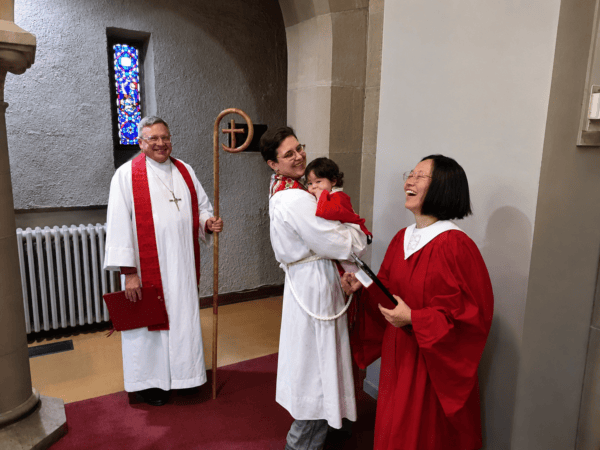
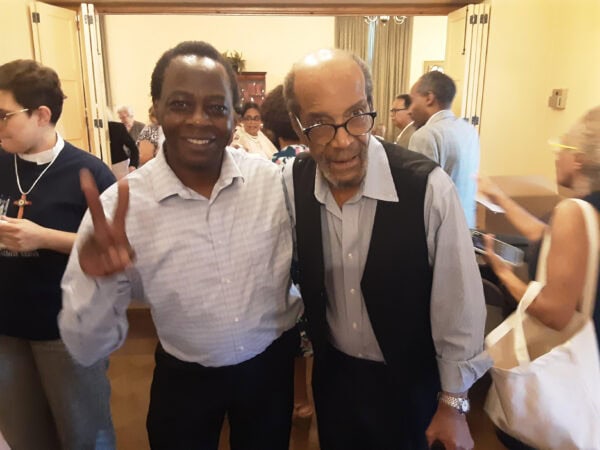
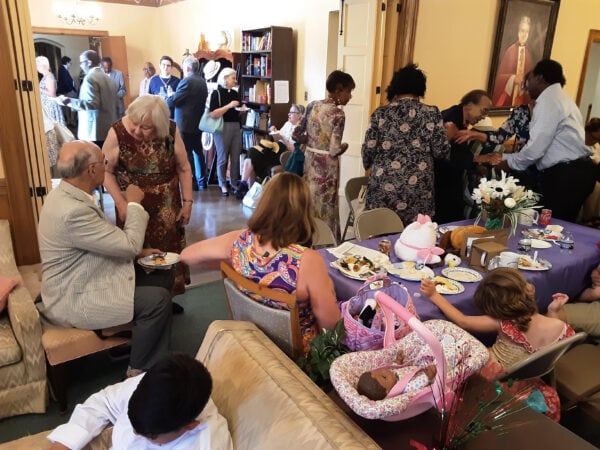
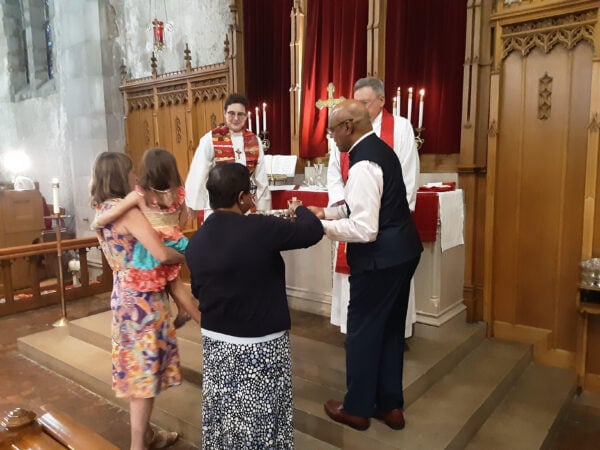
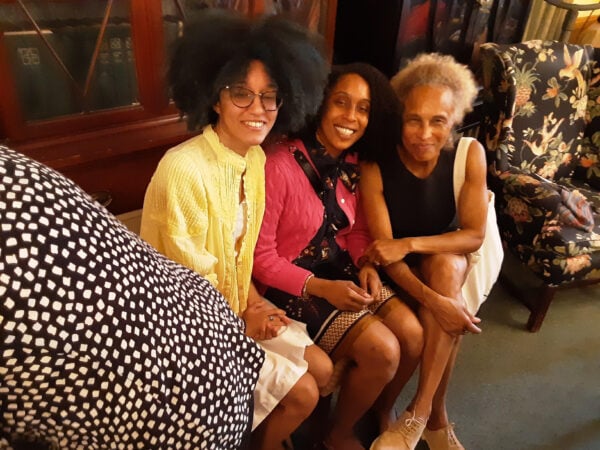
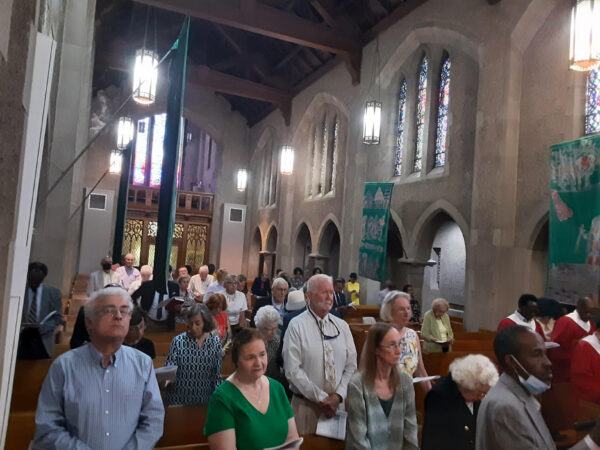
Bishop Hirsch wrote this reflection after celebrating the 150th anniversary of Grace Evangelical Lutheran Church in Washington, D.C. (pictures from the celebration follow). Learn more about the history of First Trinity in D.C. and the history of Grace in D.C.